


Overview
Course Description
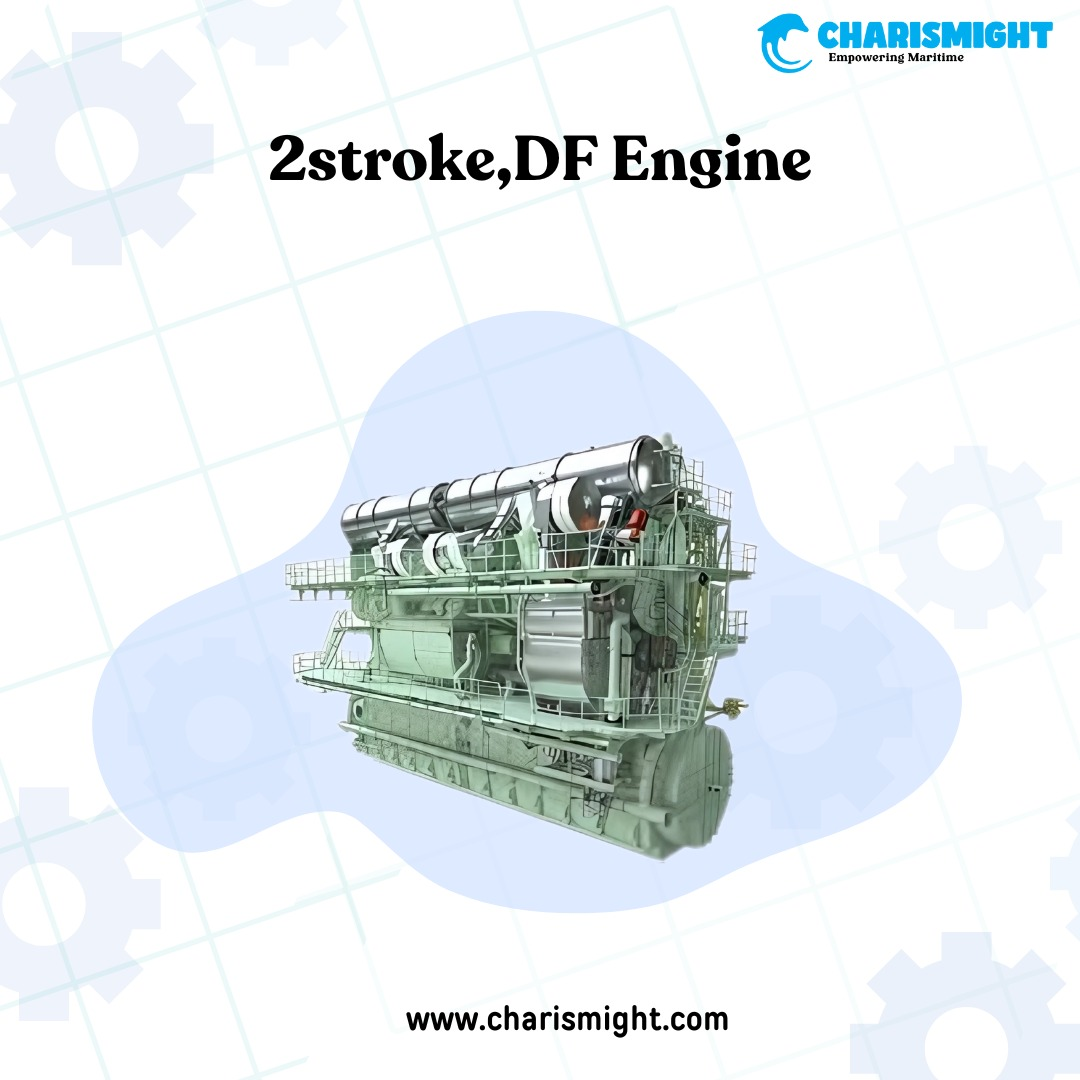
The 2 Stroke Dual Fuel Engine course provides participants with a comprehensive understanding of modern LNG-powered two-stroke marine propulsion systems. The course covers the evolution of gas-fuelled marine engines, environmental regulations driving LNG adoption, dual-fuel engine operating principles, lean-burn combustion technology, pilot fuel ignition, gas admission systems, and engine safety concepts. Participants will gain practical knowledge of LNG fuel characteristics, boil-off gas management, engine operating modes, safety systems, emission reduction technologies, and operational best practices for efficient and reliable engine performance. The training prepares marine engineers to safely operate, monitor, and troubleshoot modern dual-fuel propulsion systems in compliance with international maritime regulations.
Outcomes
- Explain the principles of operation of two-stroke dual-fuel marine engines.
- Describe the advantages of LNG as a marine fuel and its environmental benefits.
- Differentiate between natural boil-off gas and forced boil-off gas.
- Understand lean-burn combustion technology and pilot fuel ignition systems.
- Explain the operating modes and safety philosophy of LNG-fuelled marine engines.
- Identify the major components and functions of dual-fuel engine fuel gas systems.
- Apply safe operating practices, monitoring techniques, and troubleshooting procedures for modern dual-fuel propulsion systems.
IMO STCW Convention & Code (as amended), IMO IGF Code, MARPOL Annex VI, and WinGD X-DF Engine Technical Manual.
Requirements
- Basic understanding of marine diesel engines and propulsion systems.
- Familiarity with engine room operations and marine engineering fundamentals.
- Knowledge of marine fuel systems and engine safety is recommended.
- Suitable for Marine Engineers, Engine Cadets, Technical Superintendents, ETOs, and Engine Room Personnel.
- No prior experience with dual-fuel engines is mandatory; however, basic engine knowledge is beneficial.
Course Content
Course Highlights
-
 Duration: 360 min.
-
 Chapters: 0
-
 Level: 1
-
Video Lectures
-
Pre & Post Assessment
-
Certification Of Completion
-
Full lifetime access
Your Learning Journey
-
 Pre-Assessment: Complete to unlock course content.
-
 Course Access: Lessons are now available.
-
 Learn: Go through all lessons.
-
 Post-Assessment: Test your knowledge
-
 Feedback: Share your course experience.
-
 Certificate: Download your certificate.