


Overview
Course Description
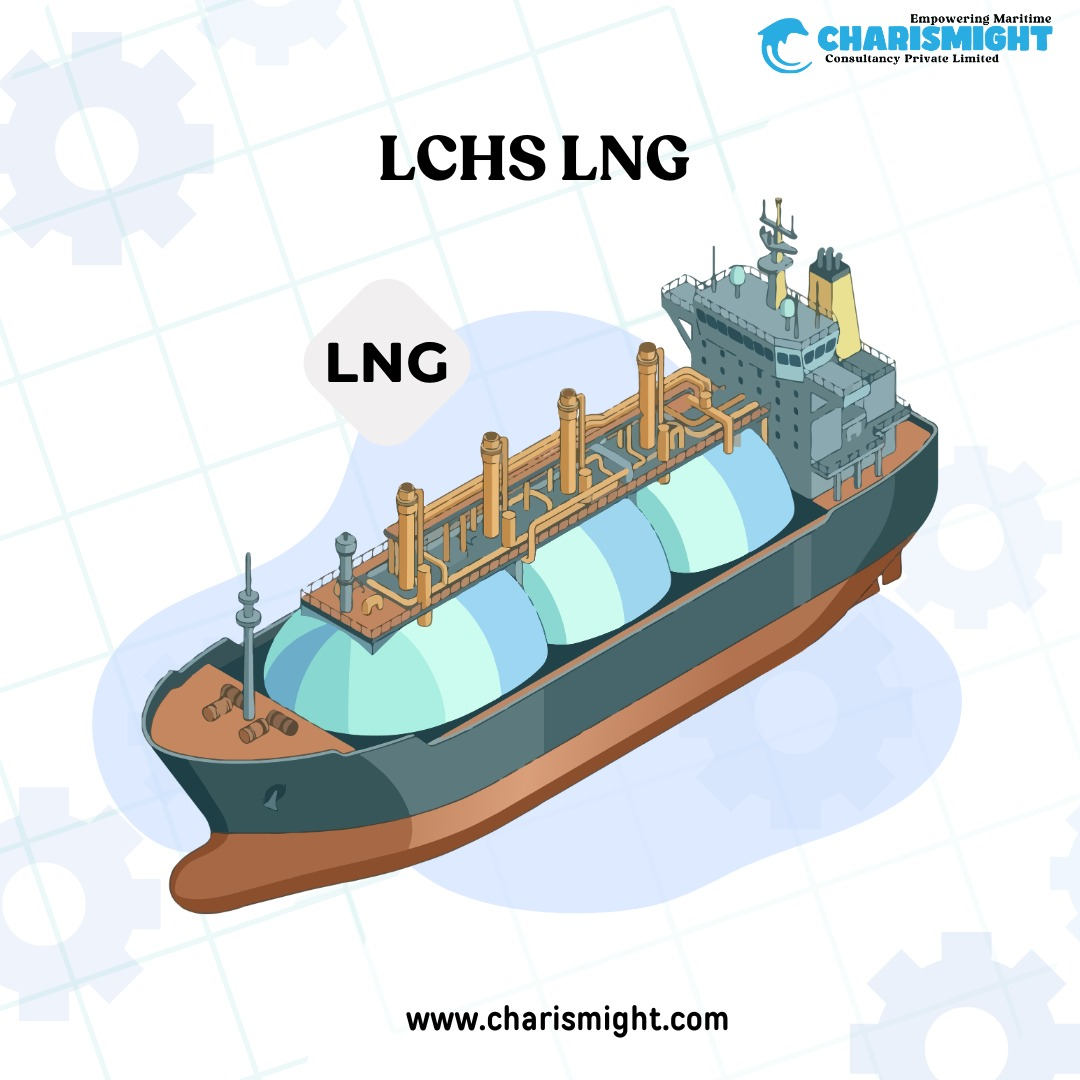
This course provides participants with comprehensive knowledge and practical simulator-based training in LNG tanker cargo and ballast handling operations. It covers LNG vessel familiarization, cargo containment systems, cargo and ballast piping arrangements, instrumentation, and cargo pumping operations. Trainees will learn ballast planning, loading and unloading procedures, boil-off gas management, tank preparation, inerting, gassing-up, cooling-down, and gas-freeing operations. The course also addresses LNG operational sequences from dry-dock preparation to cargo transportation and discharge. Emphasis is placed on safe cargo handling practices, regulatory compliance, environmental protection, and emergency response procedures. Through realistic simulator exercises, participants gain hands-on experience in monitoring, controlling, and troubleshooting LNG cargo and ballast systems. The training enhances operational competence and decision-making skills required for safe and efficient LNG tanker operations.
Outcomes
- Explain the design, construction, and containment systems of LNG vessels.
- Operate cargo handling and ballast systems using simulator-based scenarios.
- Plan and execute LNG loading, unloading, and cargo transfer operations.
- Monitor and control cargo tank pressure, temperature, and boil-off gas management.
- Perform ballast and de-ballast operations while maintaining vessel stability and trim.
- Conduct tank preparation activities including drying, inerting, gassing-up, and cooling-down.
- Apply emergency procedures, including ESD operations and cargo valve shutdowns.
- Comply with international regulations, safety standards, and environmental requirements during LNG
Requirements
- Basic knowledge of tanker operations and cargo handling procedures.
- Familiarity with maritime safety practices and shipboard operations.
- Understanding of basic ship stability and ballast principles.
- Experience working onboard gas carriers or tanker vessels is recommended.
- Ability to interpret operational procedures and vessel documentation.
- Knowledge of relevant IMO, SOLAS, MARPOL, and IGC Code requirements.
- Completion of applicable basic tanker safety training courses.
- Active participation in simulator exercises and practical assessments throughout the course.
Course Content
Video
-
 LCHS LNG Cargo
75 mins.
LCHS LNG Cargo
75 mins.
Course Highlights
-
 Duration: 60 min.
-
 Chapters: 1
-
 Level: 3
-
Video Lectures
-
Pre & Post Assessment
-
Certification Of Completion
-
Full lifetime access
Your Learning Journey
-
 Pre-Assessment: Complete to unlock course content.
-
Course Access: Lessons are now available.
-
 Learn: Go through all lessons.
-
 Post-Assessment: Test your knowledge
-
 Feedback: Share your course experience.
-
 Certificate: Download your certificate.